2026-10-07 · Makoa Inouye
How Humidity Affects AC Systems in Kapolei Homes
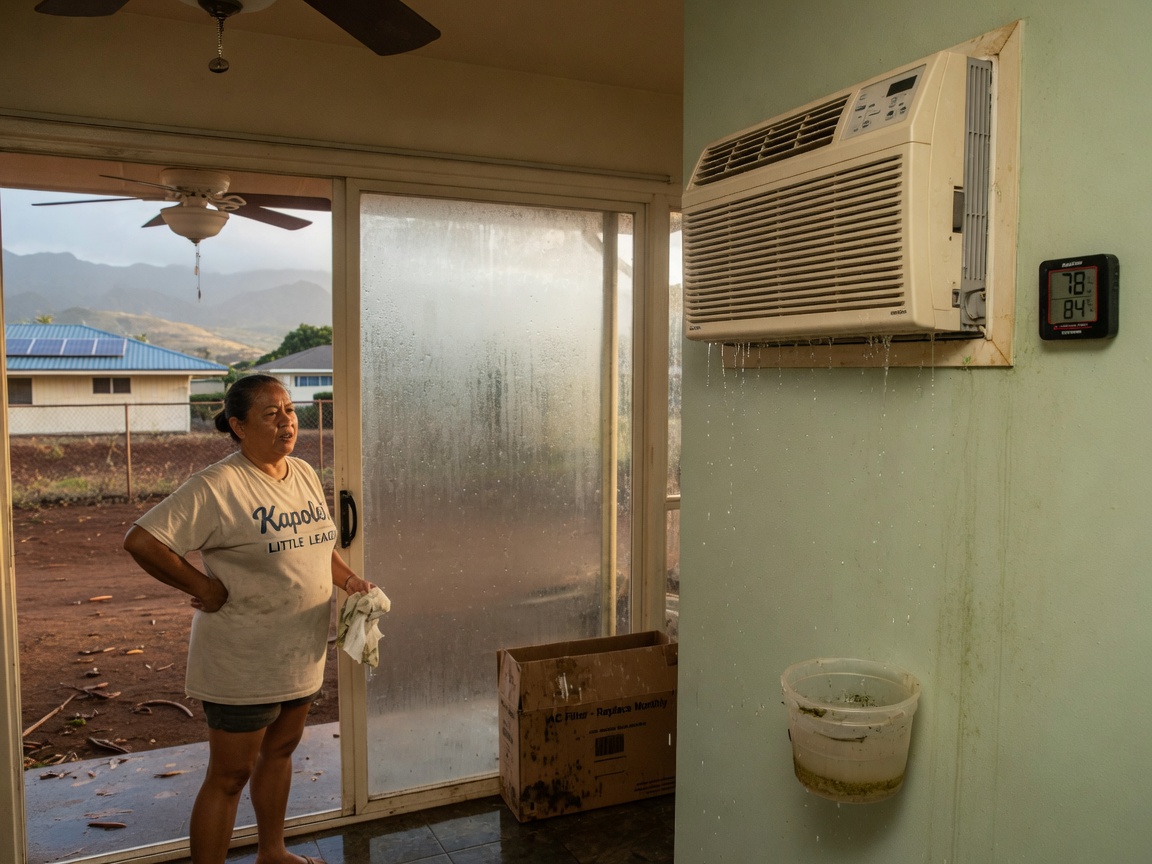
In Kapolei’s tropical climate with consistent trade winds, humidity levels commonly stay above 65 percent, so AC systems must run extended cycles to pull moisture from indoor air in addition to cooling, which accelerates wear on compressors and coils while raising energy draw in single-family homes across Honolulu County.
How Trade Winds Shape Humidity Loads in Kapolei Homes
Trade winds move moist air from the ocean across Kapolei, Makakilo, and Ko Olina neighborhoods, keeping relative humidity elevated even when temperatures feel moderate. This constant moisture load means central AC units in typical 1990s-2010s homes near Kapolei Regional Park or the Hawaii Railway Museum spend more time in dehumidification mode than in drier mainland climates. The result shows up as higher condensate production that must drain properly to avoid standing water inside the system. Homeowners in Ewa Beach and Waianae report similar patterns when winds shift moisture inland. Regular AC maintenance keeps drain lines clear and coils clean so the unit can handle the extra load without freezing or short-cycling.
Condensation Issues and Indoor Air Effects
High humidity causes evaporator coils to stay wet longer, creating conditions where mold and bacteria can grow on fins and in drain pans. In Kapolei homes with standard ductwork, this moisture can migrate into living spaces if the system lacks proper filtration. Near Ko Olina Resort, salt-laden air mixes with the humidity and speeds corrosion on metal components, an issue detailed in our guide on protecting your AC from salt air corrosion near Kapolei. Residents notice musty odors or higher dust levels when the AC struggles to keep indoor humidity below 55 percent. Checking condensate drains monthly and ensuring the unit is sized correctly for the home’s square footage helps limit these problems.
Component Wear and Repair Patterns
Continuous moisture removal puts extra stress on the compressor and reversing valve, shortening the time between service calls for homes in Makakilo and central Kapolei. What Kapolei residents pay for typical AC repair jobs often traces back to humidity-driven issues such as clogged drains or corroded coils rather than outright mechanical failure. In Honolulu County’s warm year-round conditions, an AC that runs 12–16 hours daily during peak humidity months experiences faster bearing wear and refrigerant pressure swings. Keeping filters changed every 30–45 days and scheduling seasonal tune-ups reduces the chance of emergency AC repair visits during trade-wind lulls.
When Extra Moisture Control Helps
Some Kapolei homes near the coast benefit from supplemental dehumidification when the central system alone cannot maintain 50 percent indoor humidity. Dehumidifier installation can be added to existing ductwork without replacing the entire AC, especially useful in larger homes around Kapolei Regional Park. This step lowers the runtime demanded from the main unit and cuts the risk of mold in closets and bathrooms. Homeowners in Waianae and Ewa Beach facing similar conditions often combine dehumidifiers with smart thermostats to monitor both temperature and humidity in real time.